
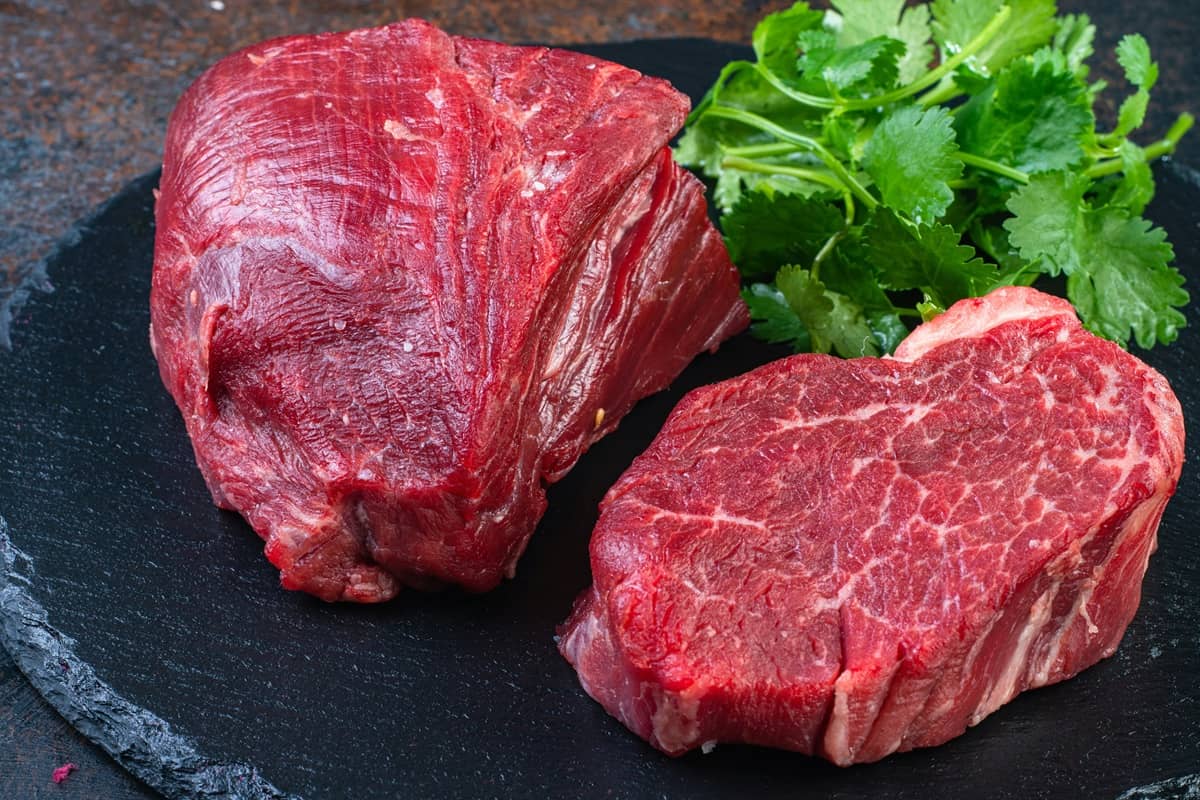
Singapore imports most of its meat from overseas, with Brazil and Australia among its largest overall suppliers.
In 2025, Singapore imported around US$1.34 billion worth of meat and edible meat products, with approximately US$646.8 million coming from Brazil. This makes Brazil Singapore’s largest overall meat supplier by import value. Australia is another major source, supplying approximately US$292.6 million worth of meat in 2025.
However, where Singapore gets its meat from depends heavily on the type of meat. Chicken, pork, beef and mutton each have different major supply countries.
Where Does Singapore Get Its Chicken From?
Brazil is one of Singapore’s most important sources of chicken and poultry. Singapore also imports poultry from countries including Malaysia, Thailand, Indonesia, the United States, Australia and several European countries.
Brazil has traditionally been particularly important for frozen chicken. In 2025 alone, Singapore imported approximately US$286.5 million worth of poultry meat and edible offal from Brazil.
Singapore maintains multiple poultry sources to reduce its dependence on any single country. During supply disruptions, importers can increase supplies from alternative approved sources.
For example, when bird flu was detected at a commercial poultry farm in Brazil in 2025, Singapore could continue importing poultry from unaffected areas while relying on alternative sources such as Indonesia, Thailand, Denmark and Malaysia.
Where Does Singapore Import Pork From?
Singapore imports pork from countries across Asia, Oceania, Europe and the Americas.
According to the Singapore Food Agency’s 2025 statistics, the country’s top three sources of pork were Australia, Brazil and Malaysia. Singapore’s total pork supply was approximately 130,400 tonnes in 2025.
Other approved pork sources include countries such as:
- Canada
- Denmark
- France
- Germany
- Ireland
- Japan
- New Zealand
- Spain
- United States
Singapore imports pork in different forms, including fresh, chilled, frozen and processed products.
Brazil is particularly significant for frozen pork. Singapore imported approximately US$222.3 million worth of fresh, chilled and frozen pork from Brazil in 2025.
Where Does Singapore Import Beef From?
Singapore sources beef from a broad range of countries, with Brazil and Australia among its most important suppliers.
Brazil is particularly significant for frozen beef. In 2025, Singapore imported approximately US$126.6 million worth of frozen bovine meat from Brazil.
Australia is an important source of fresh and chilled beef, supplying approximately US$83.3 million worth of fresh and chilled bovine meat to Singapore in 2025.
Singapore also imports beef from approved sources including:
- New Zealand
- United States
- Japan
- Ireland
- Argentina
- Uruguay
- Canada
- European countries
Different countries tend to serve different parts of the market, from everyday frozen beef to premium chilled and speciality cuts.
Where Does Singapore Import Mutton and Lamb From?
Australia and New Zealand are major sources of mutton and lamb for Singapore.
Australia alone supplied approximately US$87 million worth of sheep and goat meat to Singapore in 2025, making it an important source for both chilled and frozen lamb and mutton.
Singapore can also import mutton from approved countries including Ireland, the United Kingdom, Brazil, Argentina, Uruguay and the United States.
Does Singapore Import Live Pigs?
Yes. Singapore can import live pigs from approved overseas farms.
One important source is Sarawak in Malaysia. Following the suspension of live pig imports from Pulau Bulan in Indonesia after an African Swine Fever outbreak in 2023, Singapore increased imports of live pigs from approved farms in Sarawak.
These pigs are transported to Singapore and slaughtered locally, allowing fresh pork to continue reaching the Singapore market.
Why Does Singapore Import Meat From So Many Countries?
Singapore imports more than 90% of its overall food supply, making overseas sources essential to the country’s food security.
In 2025, Singapore sourced food from more than 180 countries and regions. This figure covers Singapore’s entire food supply and should not be confused with the number of countries approved to supply meat.
Meat is considered a higher food-safety-risk product. Unlike many other foods, meat and livestock can only be imported from countries and establishments that meet the Singapore Food Agency’s accreditation requirements.
Singapore therefore continues to expand its network of approved meat sources. In 2025, new sources were approved for:
- Poultry: Greece, Lithuania and Paraguay
- Pork: Greece and Paraguay
- Beef: Greece, Paraguay and the Republic of Korea
This diversification allows Singapore to switch between suppliers when disease outbreaks, export restrictions or other disruptions affect a particular source.
Frequently Asked Questions
Where does Singapore import most of its meat from?
Brazil is Singapore’s largest overall supplier of meat by import value. In 2025, Singapore imported approximately US$646.8 million worth of meat and edible meat offal from Brazil, compared with around US$292.6 million from Australia.
Where does Singapore get its chicken from?
Brazil is one of Singapore’s main poultry suppliers. Singapore also imports poultry from sources including Malaysia, Thailand, Indonesia, the United States, Australia and several European countries.
Where does Singapore get its pork from?
Singapore’s top three pork sources in 2025 were Australia, Brazil and Malaysia. Other approved sources include Germany, Spain, Denmark, Canada, Japan and the United States.
Where does Singapore get its beef from?
Singapore imports beef from countries including Brazil, Australia, New Zealand, the United States and Japan. Brazil is particularly important for frozen beef, while Australia is a major source of fresh and chilled beef.
Where does Singapore get its mutton and lamb from?
Australia and New Zealand are major suppliers of lamb and mutton to Singapore, alongside other approved sources in Europe and the Americas.
Does Singapore produce its own meat?
Singapore’s domestic food production is mainly focused on eggs, vegetables and seafood. Meat supply is therefore heavily dependent on imports from accredited overseas sources.